Is This the Original, or a Clone?
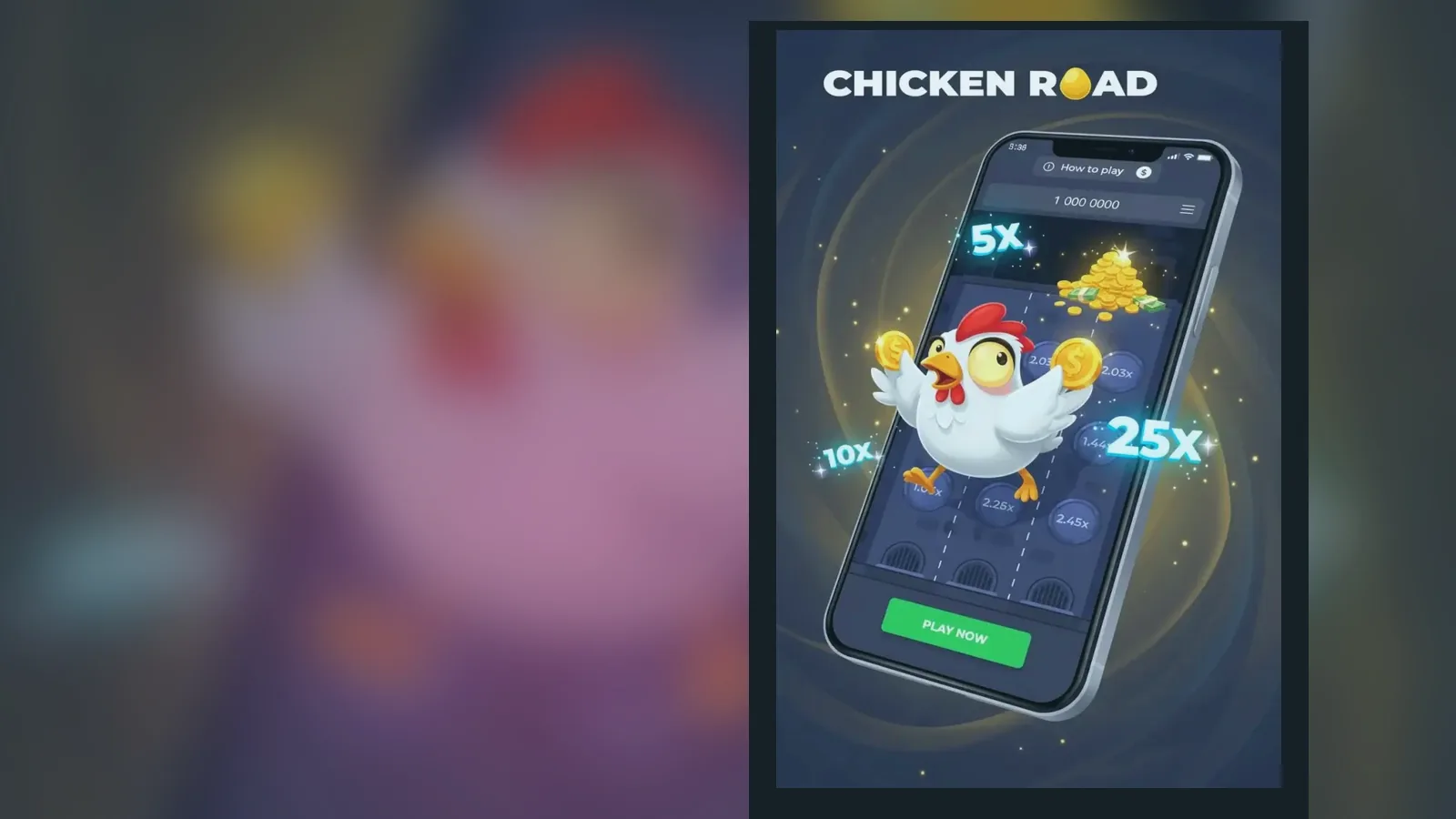
Half the questions support teams get about Chicken Road 2 come down to one thing: «Is this the real game, or am I looking at a knock-off?» Fair question—crash and grid games spawn clones faster than you can say affordability check, and some copies look convincing until you notice the payout table doesn't match or the provider name is misspelt.
This page unpacks who built the original, how a round actually works from your seat, the certified numbers from the tech sheet, which clones are doing the rounds, and the ten-second check that tells you you're on the legit version. If you're playing in the UK, you also want to know it runs on a site with a UKGC licence—because unlicensed operators can't legally market here, and you lose any dispute protections if something goes sideways.
Who Made It, and Where's the Cert?
Chicken Road 2 comes from a studio that specialises in crash-style grid games—think Aviator's cousins, but with a path mechanic instead of a climbing multiplier. The original carries a GLI or iTech Labs certificate, meaning the RNG has been audited against ISO standards and the stated RTP checks out over a statistically valid sample. That cert number lives in the game's info panel or help screen; if it's missing or looks like placeholder text, you're likely staring at a reskin.
In the UK, any site offering the game must hold a remote gambling licence from the UKGC. You'll find the licence number in the footer—cross-reference it with the Commission's public register. Sites without a valid licence can't legally serve British players, and your deposits sit outside the statutory protections that apply to licensed operators. GAMSTOP blocks every UKGC site if you self-exclude, so if a site claims to run Chicken Road 2 but isn't on GAMSTOP's radar, walk away.
How a Round Works from Your Seat
You start by picking a stake—most UKGC sites cap you at £5.00 per round, or £2.00 if you're 18 to 24. The game draws a 5×5 grid with multiplier values scattered across the tiles, and a chicken character sits at the bottom edge. Your job is to chart a path upward, tile by tile, collecting multipliers as you go. Each tile you select either adds its multiplier to your running total or ends the round if you hit a dead end or trap tile.
The twist: the safe tiles and traps are determined by the RNG at the moment you press start, but you don't see which is which until you click. The further you climb, the bigger the potential payout—but one wrong tile and the round's over. You can cash out any time before you click the next tile, locking in whatever you've accumulated. If you don't cash out and the next tile ends the round, you lose the lot.
- Set your stake (£0.10 to £5.00, or £0.10 to £2.00 if you're under 25).
- Press start; the RNG populates the grid with multipliers and traps.
- Click a tile to reveal it. Safe tiles add their multiplier; traps end the round.
- After each successful tile, choose: cash out and bank the win, or pick the next tile.
- Reach the top row and you've hit max multiplier—or cash out earlier to lock a smaller win.
Some sites let you toggle difficulty, which changes the ratio of safe tiles to traps. Higher difficulty means fewer safe tiles but bigger multipliers on the ones that are safe. The tech sheet lists three modes: Easy (more safe tiles, lower ceiling), Medium (balanced), and Hard (higher risk, higher max win). Check the game's settings menu before you start—switching mid-session usually resets your progress.
Real Numbers from the Tech Sheet
The RTP range sits between 95% and 97%, depending on which difficulty you pick. That's the long-run statistical return—over millions of rounds, the game pays back that percentage of all wagers. It doesn't mean you'll see 96p back for every pound you bet in a single session; high volatility means swings are wide, and a cold streak can drain your balance before a big hit lands.
Max win is capped at £10,000 in a single round. If you're staking £5.00 and climbing the Hard grid, hitting the top row multiplier will pay the cap rather than the raw maths result if that result exceeds ten grand. Most sessions won't touch that ceiling—typical wins on Medium sit between 2× and 10× stake if you cash out halfway up. Push to the top row and you're chasing 50× to 200× stake, but the odds of threading that many safe tiles in a row are slim.
Which Clones Are Out There, and How Do They Differ?
At least three reskinned versions circulate under different names: one swaps the chicken for a car on a road, another uses a treasure-hunter theme, and a third drops the grid for a linear path with multiplier gates. The maths engine underneath may be similar—climb a path, collect multipliers, avoid traps—but the paytables, RTP configs, and max-win caps differ. Some clones run at 94% RTP with a £5,000 win ceiling; others tweak the trap-to-safe ratio without disclosing the change.
The giveaway: the original lists the provider name and cert details in the game's info screen, and the help panel shows the exact paytable for each difficulty level. Clones often skip the cert reference, use generic «Powered by [Studio Name]» text without a verifiable iTech or GLI number, or show a paytable that doesn't align with the RTP stated in the footer. If the game loads and you can't find a certificate reference or the provider name looks unfamiliar, you're probably on a white-label reskin.
| Feature | Original | Common Clones |
|---|---|---|
| Cert Reference | GLI / iTech Labs number in info panel | Often missing or generic |
| RTP Range | 95.0–97.0% | 93.0–96.0% (varies) |
| Max Win | £10,000 | £5,000–£8,000 |
| Difficulty Modes | Three (Easy/Medium/Hard) | Two, or locked to one mode |
| Grid Size | 5×5 | 4×6 or linear path in some versions |
None of this means clones are rigged—many run on legitimate RNG engines and hold their own certs. But if you're chasing a specific RTP or max-win figure you read about, make sure the version you're playing matches those numbers. The easiest check: open the game's help or paytable screen and confirm the provider name, RTP, and cert details align with what the casino lists on its game page.
The Ten-Second Check You're on the Original
- Load the game and tap the info or help icon (usually a small «i» or question mark in the corner).
- Look for the provider name—it should match the studio credited in the casino's game directory.
- Find the RTP disclosure: 95.0–97.0% depending on difficulty, with all three modes listed.
- Check for a GLI or iTech Labs certificate number. If it says «pending» or isn't there, flag it.
- Verify the max win: £10,000 per round. If it's lower, you're on a variant or clone.
- Cross-check the operator's UKGC licence number in the site footer with the Commission's public register.
That sequence takes less than ten seconds once you know where to look. If any step fails—missing cert, mismatched RTP, no UKGC licence in the footer—you're either on a clone or an unlicensed site. Both scenarios mean the game you're playing isn't the certified original, and in the case of unlicensed operators, you're outside the legal framework that protects UK players.
Where the Original Runs for UK Players
The original Chicken Road 2 appears on UKGC-licensed casinos that stock the provider's portfolio. Not every site carries it—crash-style grid games are less common than slots in the UK market—but operators that specialise in instant-win or provably fair categories tend to list it alongside titles like Aviator, Mines, and Plinko. Demo play is usually available, though many sites gate free play behind age verification, so you'll need to register and confirm you're 18+ before the demo unlocks.
Real-money play requires a deposit, and UK rules are strict: credit cards have been banned for gambling since 2020, so you're limited to debit cards, PayPal, Apple Pay, Open Banking via Trustly, or paysafecard. Every deposit triggers affordability monitoring—if your net deposits hit £150 in a month, the operator begins soft checks using credit-reference data, and higher thresholds can prompt requests for payslips or bank statements. Those checks are statutory under UKGC rules, not the casino being nosy.
Withdrawals go to the same payment method you deposited with, and the first cash-out always takes the longest—24 to 48 hours is normal while the site verifies your ID and address documents. Once you're KYC-cleared, e-wallets pay in a few hours, Faster Payments to your bank clear same day to two working days, and debit-card withdrawals take one to three working days. Winnings are tax-free for you; the operator pays a 40% Remote Gaming Duty on revenue, a rate that jumped in April 2026.
If you're under 25, the £2.00 stake cap applies automatically—sites are required to enforce it by age, and trying to override it will trigger a flag. GAMSTOP covers every licensed operator, so one registration blocks you across the board for six months to five years. BeGambleAware offers free support if gambling stops being fun.
FAQ
Can I play Chicken Road 2 for free in the UK?
Yes, most UKGC-licensed sites offer a demo version, though you'll need to register and verify your age before free play unlocks. The demo runs on the same RNG and paytable as real-money mode, minus the cash stakes and withdrawals.
What's the difference between Easy, Medium, and Hard modes?
Easy mode gives you more safe tiles and a lower multiplier ceiling (RTP 97.0%); Medium balances risk and reward (96.0%); Hard mode has fewer safe tiles but higher multipliers and a steeper max win (95.0%). The RTP drops as difficulty rises because the variance increases—you're trading frequency for bigger potential hits.
Why is my stake capped at £2.00?
If you're aged 18 to 24, UK regulations cap your stake at £2.00 per round on slots and slot-style games, which includes crash and grid games. Sites enforce this automatically based on the date of birth you provided during registration. Once you turn 25, the cap lifts to £5.00.
How do I know I'm not playing a clone?
Open the game's help screen and check for three things: the provider name matches what the casino lists, the RTP reads 95–97% across three difficulty modes, and there's a GLI or iTech Labs cert number. If any of those are missing or don't align, you're on a variant or reskin.
Do winnings from Chicken Road 2 get taxed in the UK?
No. Gambling winnings are tax-free for players in the UK—you keep every penny you withdraw. The operator pays a 40% Remote Gaming Duty on gross gaming revenue, but that's baked into the business model and doesn't touch your payout.